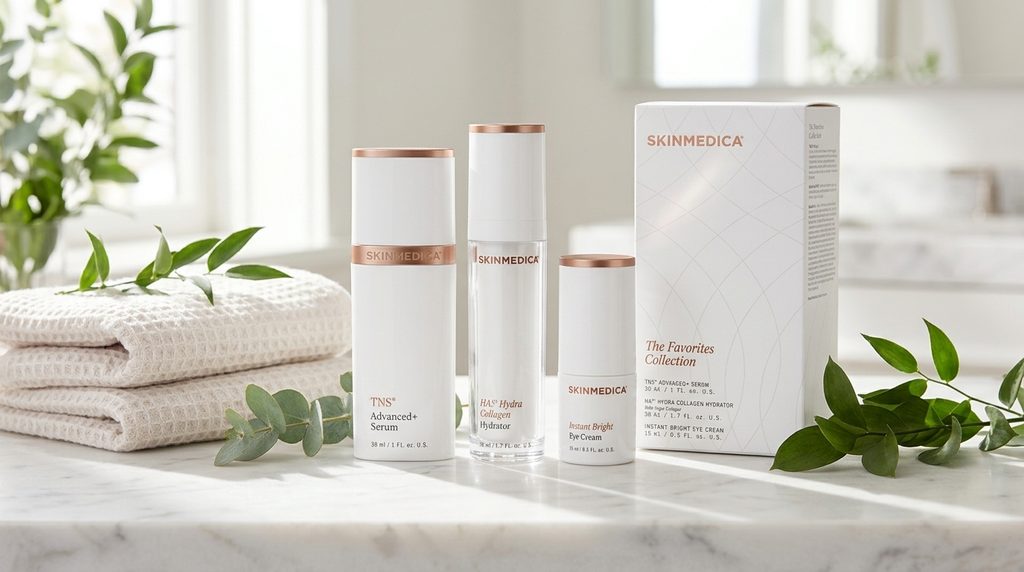
There’s no single list of pregnancy-safe SkinMedica products we can hand you, and we’re not doctors. The most useful answer is this: skip anything with retinol, and run everything else past your OB or midwife. Simple hydrators and mineral sunscreens are generally the easier category to discuss with them.
Why There’s No Official Answer
Skincare brands rarely test products on pregnant people, so most labels don’t say whether something is safe during pregnancy. When ingredient safety is unclear, doctors tend to lean cautious, and that’s a reasonable approach.
It also means we can’t promise any product is fine. What we can do is explain which ingredients usually get flagged and which are usually less of a worry, so you walk into your appointment with better questions.
The Big One to Skip: Retinol
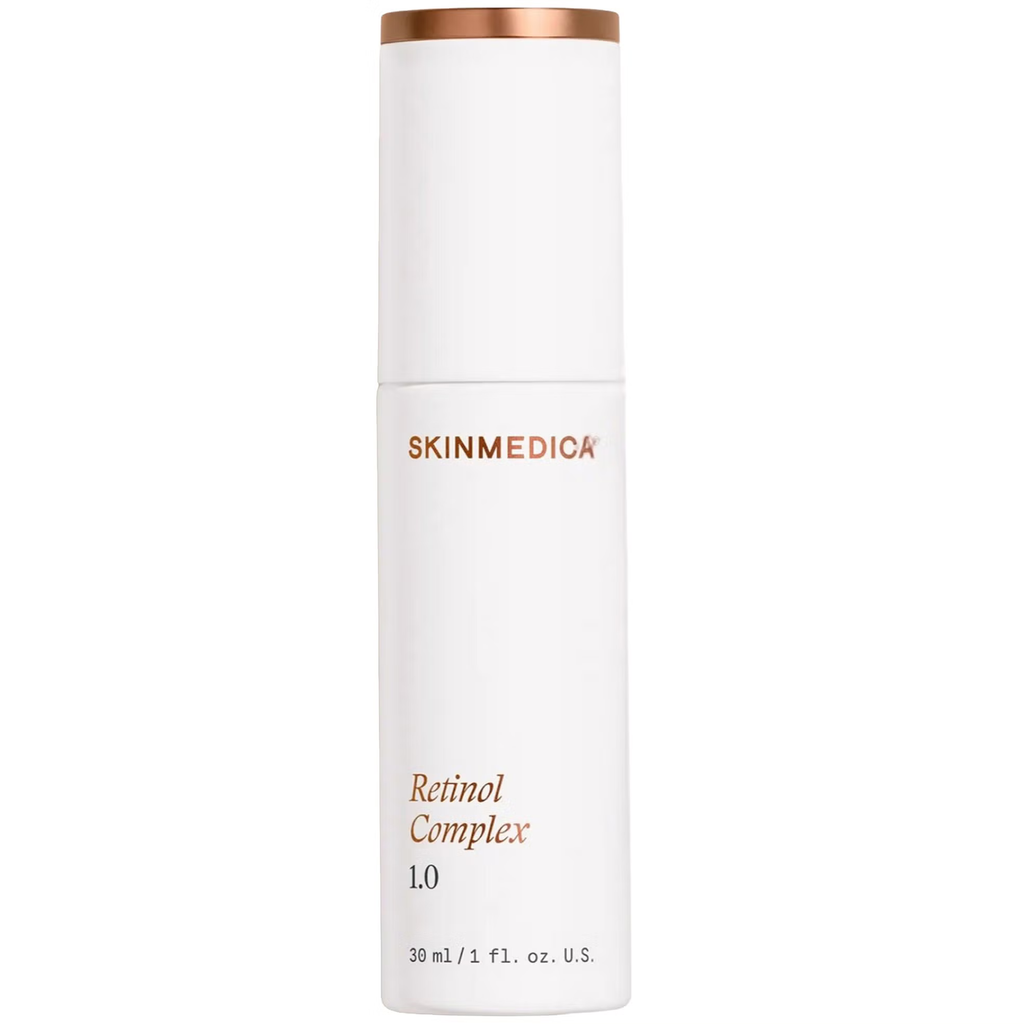
If you only remember one thing, make it this: retinol and other vitamin A derivatives are the ingredients most commonly advised against during pregnancy. Many doctors suggest avoiding them while pregnant and often while trying to conceive or breastfeeding, too.
SkinMedica’s Retinol Complex line is built around this ingredient, so it’s a pause-for-now product. Check the label on anything else in your routine too, since retinol shows up in serums, night creams, and eye products. Words like retinol, retinaldehyde, retinyl palmitate, and retinoid are your cue to ask your provider.
Products Worth Double-Checking
Some products aren’t obvious red flags, but they’re worth a conversation with your doctor before you keep using them.
Growth factor serums
SkinMedica’s TNS line is the brand’s signature, and its serums are built around a blend of growth factors and peptides. We’re not aware of any pregnancy-specific guidance on these, and some providers prefer to avoid them while pregnant simply because there isn’t much information. Ask your doctor rather than guessing.
Exfoliating acids
Cleansers and treatments with salicylic acid or glycolic acid are another gray area. Opinions vary on how much is okay, and it can depend on the product’s strength and how you use it. Pregnancy can also make skin more sensitive, so even products you’ve used for years may feel different.
Brightening and pigment products
Melasma-type darkening is common during pregnancy, and it’s tempting to reach for a brightening serum. Many of these contain active ingredients that need a closer look. If you’re seeing new patches of discoloration, a dermatologist can tell you what’s going on and what’s appropriate right now.
What’s Usually Easier to Keep
These are categories that tend to be simpler to discuss with a provider. We still recommend confirming with yours.
Mineral sunscreen
Daily sun protection matters even more during pregnancy, since skin can become more prone to darkening in the sun. Mineral sunscreens that use zinc oxide or titanium dioxide are commonly preferred by pregnant people. SkinMedica’s Essential Defense Mineral Shield is the mineral option in the lineup, and EltaMD also makes mineral-based sunscreens. Read the active ingredients on the label to confirm what you’re getting.
Basic hydration
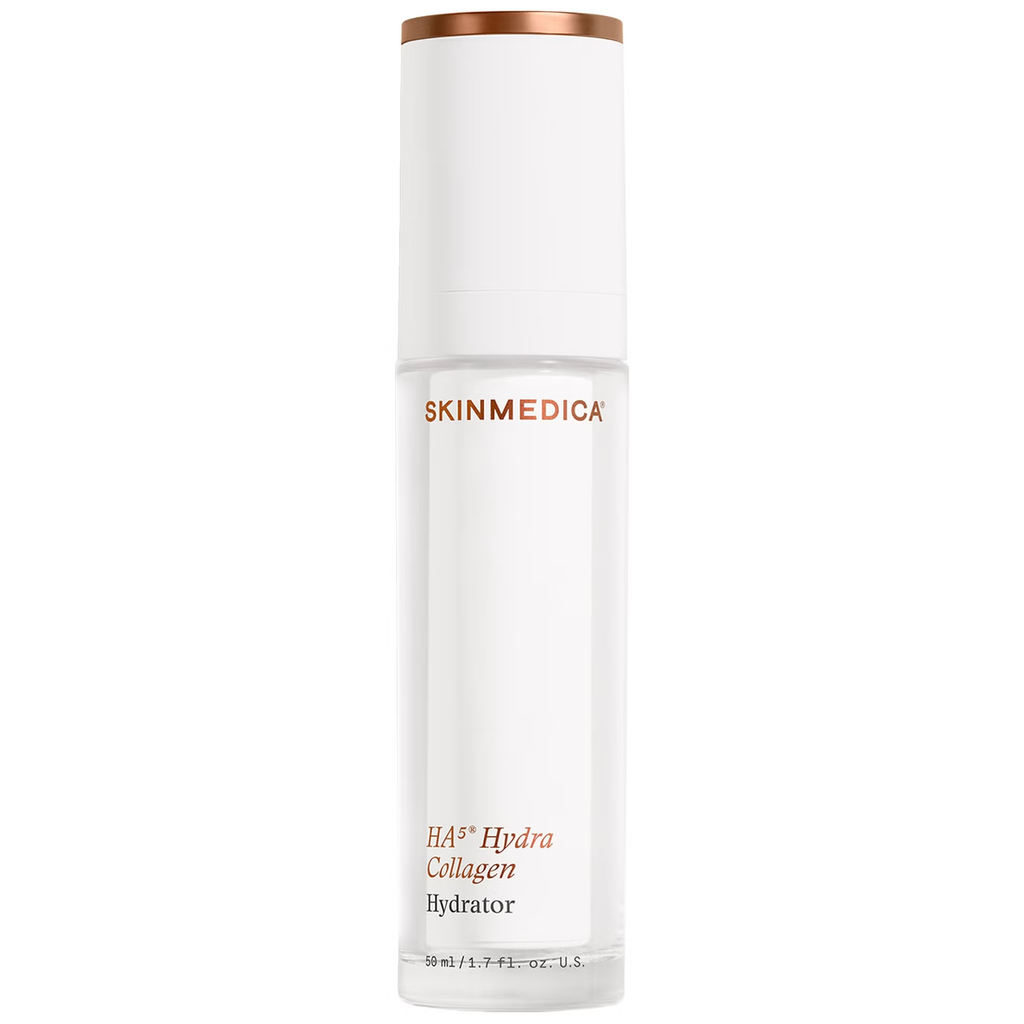
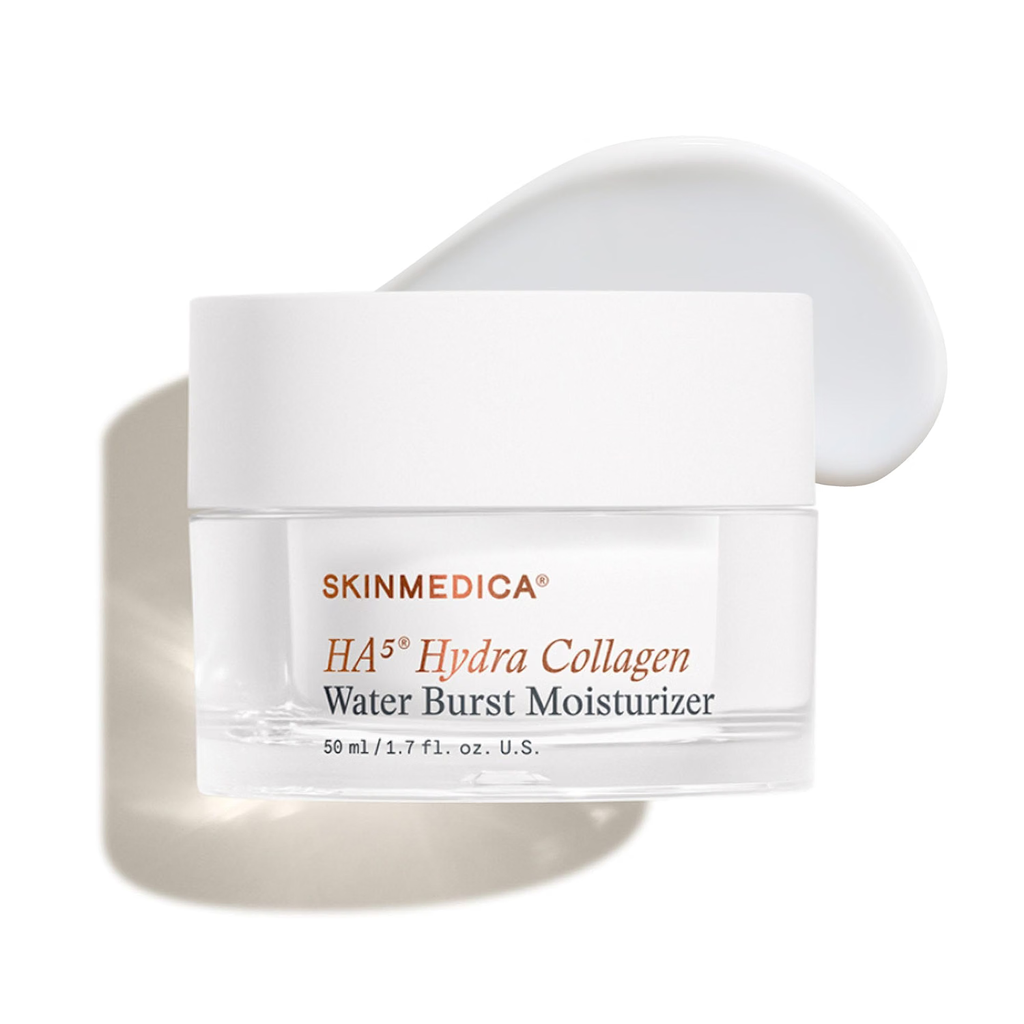
Hyaluronic acid is a plain humectant, and it’s commonly part of pregnancy skincare routines. SkinMedica’s HA5 Rejuvenating Hydrator is built around it. Do read the full ingredient list, since a product’s other ingredients matter as much as the headline one.
Gentle cleansing
A mild, fragrance-light cleanser is rarely a concern. If you’re dealing with a strong sense of smell (hello, first trimester), you may find you prefer fewer scents anyway.
How to Check Your Own Routine
Here’s a practical way to go through your shelf:
- Pull out every product and read the full ingredient list, not just the front label.
- Set aside anything with retinol or another vitamin A derivative.
- Flag anything with exfoliating acids, growth factors, or brightening actives.
- Take photos of the ingredient lists to show your OB, midwife, or dermatologist.
- Keep sunscreen, a gentle cleanser, and a simple moisturizer as your baseline.
One honest trade-off: stripping your routine back can feel disappointing if you’ve invested in higher-priced products. Many people find that pausing actives for a few months is manageable, and you can pick them back up when your doctor says it’s okay.
When to See a Dermatologist
Pregnancy can bring breakouts, itching, rashes, or dark patches. Skincare products can only do so much for the look of your skin, and these changes can sometimes have other causes. If something is painful, spreading, or worrying you, call your provider or a dermatologist rather than trying to fix it with products.
Frequently Asked Questions
Is SkinMedica retinol safe while pregnant?
Most doctors advise avoiding retinol during pregnancy, so it’s best to pause SkinMedica’s retinol products and ask your provider about alternatives.
Is SkinMedica sunscreen okay during pregnancy?
Mineral sunscreens with zinc oxide or titanium dioxide are commonly preferred during pregnancy. Check the ingredient list and confirm with your doctor.
Can I use TNS Advanced+ Serum while pregnant?
We can’t say it’s safe or unsafe. Because it’s a growth factor product with limited pregnancy-specific information, it’s a good one to bring to your OB or dermatologist.
The short version: skip retinol, bring everything else to your doctor, and lean on mineral sunscreen and simple hydration while you’re pregnant.