

SkinMedica products are premium-priced. Most of them cost noticeably more than drugstore skincare and often land above mid-range department store brands too. We don’t quote exact dollar amounts here because prices change by retailer, size, and time, but this guide explains what to expect and how to avoid overspending.
The Short Version: Think Premium, Not Budget
SkinMedica is a physician-channel brand. It’s typically sold through dermatology offices, medical spas, and authorized retailers rather than being a grab-and-go shelf product. That positioning usually comes with a higher price tag.
Serums and treatment-style products tend to be the most expensive. Cleansers and basic moisturizers usually cost less. Even the cheaper end of the line is generally not a bargain-bin purchase.
Roughly Where Different Product Types Fall
Here’s a relative guide, from most to least expensive in general:
Higher end: serums and targeted treatments
Antioxidant serums, retinol products, and multi-step treatment formulas usually sit at the top of the price range. One example is the TNS Advanced+ Serum, which is among the brand’s best-known products and is priced accordingly. Small bottles can still cost a lot.
Middle: moisturizers, eye products, and sunscreens
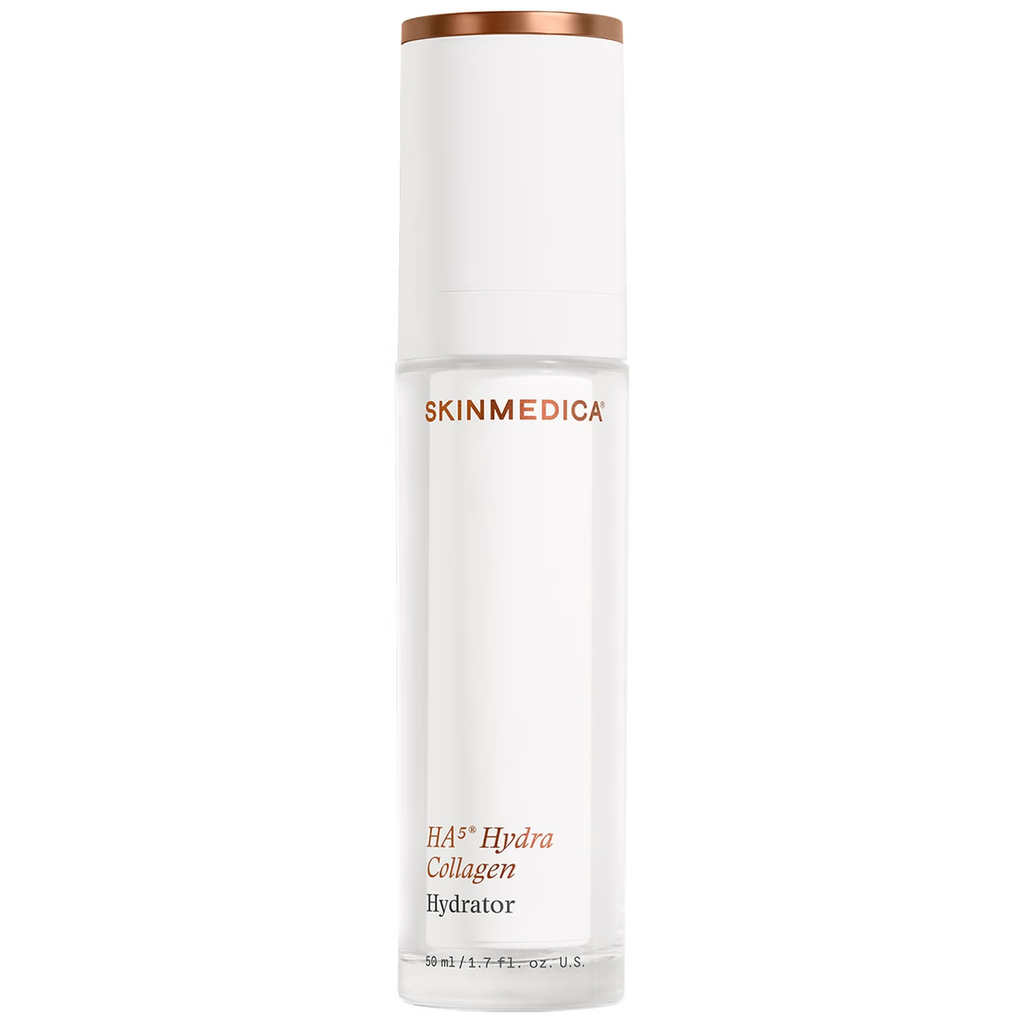
Hydrators and daily-wear products usually cost less than the serums but are still premium compared with mass-market options. The HA5 Rejuvenating Hydrator is one example of a hydration-focused product in this tier.
Lower end: cleansers and basics
Gentle cleansers are usually the most accessible entry point. If you want to try the brand without a big commitment, this is where most people start.
Kits and sets
Bundled regimens can cost more upfront than a single bottle. Depending on the retailer, they may work out cheaper per item than buying each product separately. They’re worth comparing if you already plan to use several products.


Why SkinMedica Costs What It Does
A few things drive the price:
- Brand positioning. It’s marketed as a professional-grade line, and that comes with a premium.
- Formulation and packaging. Many products use airless pumps or protective packaging to keep active ingredients stable, which adds to the cost.
- Distribution. Selling through medical offices and authorized retailers means a smaller, more controlled supply chain than a drugstore brand.
- Small sizes. Serums and treatments are often sold in smaller bottles, so the cost per ounce can feel steep.
A higher price doesn’t automatically mean better results for your skin. Plenty of people do well with simpler, cheaper routines. SkinMedica is a reasonable choice if you like the textures and the routine, but it isn’t the only way to get a good one.
Where to Check Current Prices
Because we don’t want to hand you outdated numbers, here’s the best way to find a current price:
- Ask your provider. If you see a dermatologist or aesthetician who carries the line, ask what they charge. Sometimes they run promotions or bundle deals.
- Check the official brand site and authorized retailers. Compare the same product and the same size, since size differences can make prices look misleading.
- Look at the listing details. Confirm who is actually selling the product, not just who is shipping it.


A Word of Caution About Third-Party Sellers
If a price looks much lower than everywhere else, be careful. Unusually cheap listings on marketplaces or resale sites can mean old stock, products that were stored badly, or in the worst case counterfeits. Skincare that has been exposed to heat or light can also degrade, especially formulas with sensitive active ingredients.
Check the seller’s name, look for an authorized retailer badge if one is offered, and inspect the packaging when it arrives. If anything looks off, such as a broken seal, a strange smell, or a changed texture, don’t use it.
Ways to Spend Less Without Cutting Corners
- Start with one product. Don’t buy a whole routine at once. Add one item, use it for several weeks, and see how your skin responds.
- Prioritize sunscreen and a good moisturizer. These are what most skin routines are built on. A pricey serum on top of a weak routine is usually not the best use of money.
- Check size options. Larger sizes sometimes cost less per ounce, but only buy them if you’ll finish the product before it goes off.
- Watch for provider promotions. Some offices run seasonal offers or loyalty programs. Ask about them.
- Be honest about irritation risk. Retinol and other active products can be drying or irritating, especially at first. Buying a product you can’t tolerate is the most expensive mistake of all.
Is SkinMedica Worth the Money?
That depends on your budget and what you want from your routine. If you enjoy a polished, professional-style regimen and have room in your budget, it can be a nice option. If you’re watching your spending, you can build a good routine with less expensive products and save SkinMedica for a single item you really want.
These are cosmetic products. They are designed to improve how your skin looks and feels, and they aren’t medical treatments. If you’re dealing with persistent breakouts, rashes, painful irritation, or any skin change that worries you, see a dermatologist before spending money on more products.
Frequently Asked Questions
Is SkinMedica more expensive than drugstore skincare?
Yes, generally by a wide margin. It’s positioned as a premium, professional-channel brand, and most products cost more than typical drugstore options.
Does SkinMedica cost less online than at a dermatologist’s office?
Not necessarily. Prices vary, and some offices match or run their own promotions. Compare the same product and size, and make sure any online seller is authorized.
What’s the cheapest way to try SkinMedica?
Start with a single, lower-priced item such as a cleanser, or ask your provider whether smaller sizes or sample options are available. Avoid buying a full regimen before you know how your skin reacts.
SkinMedica is a premium line, so expect to pay more than you would for most store-brand skincare. Check current prices with your provider and authorized retailers, buy one product at a time, and be wary of deals that look too good to be true.
